Formats in practice
Formats and setups
What each part of a merch program physically looks like — production areas, personalization tables, merch stands and mobile build-outs.
How to read these
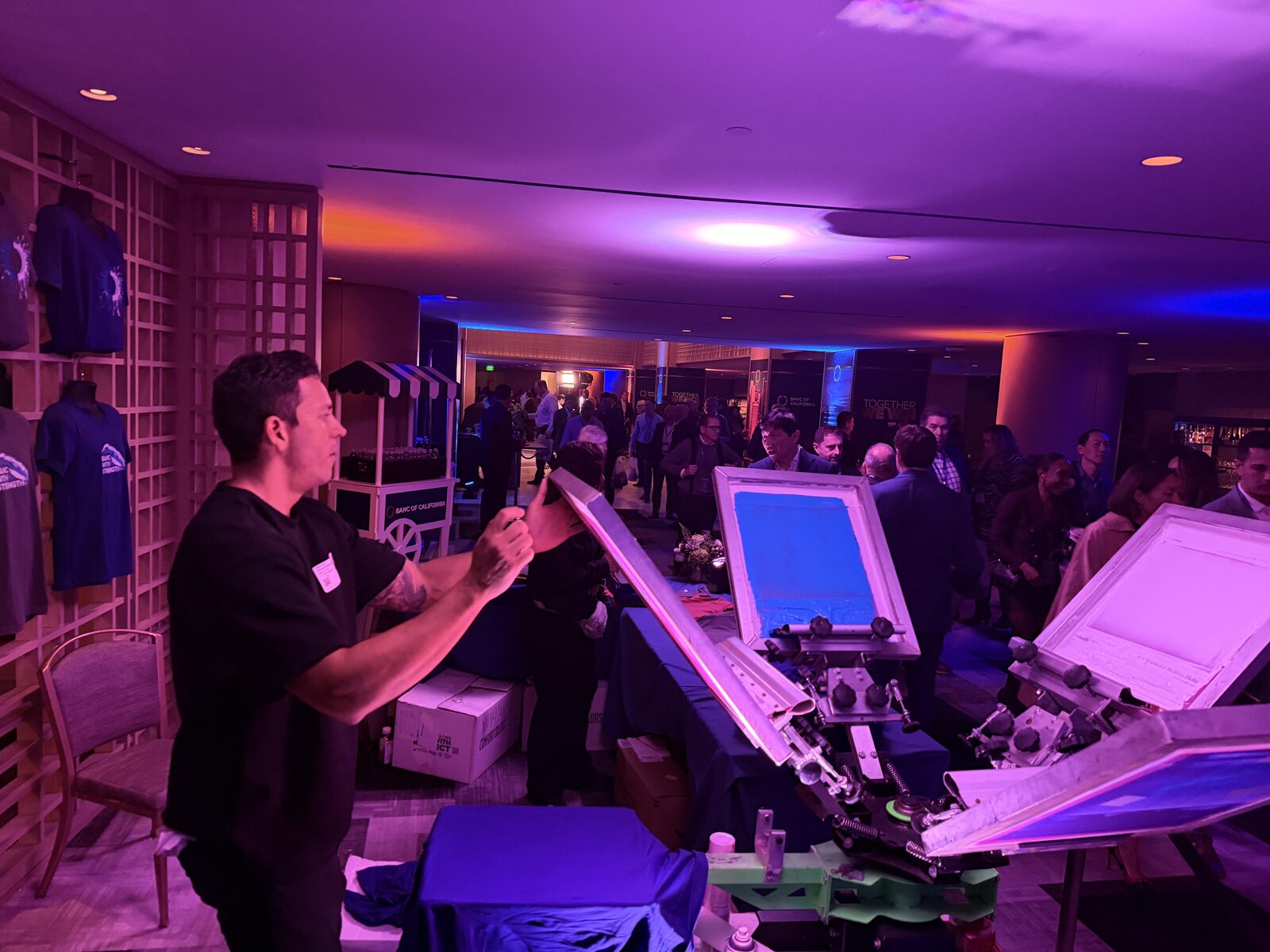
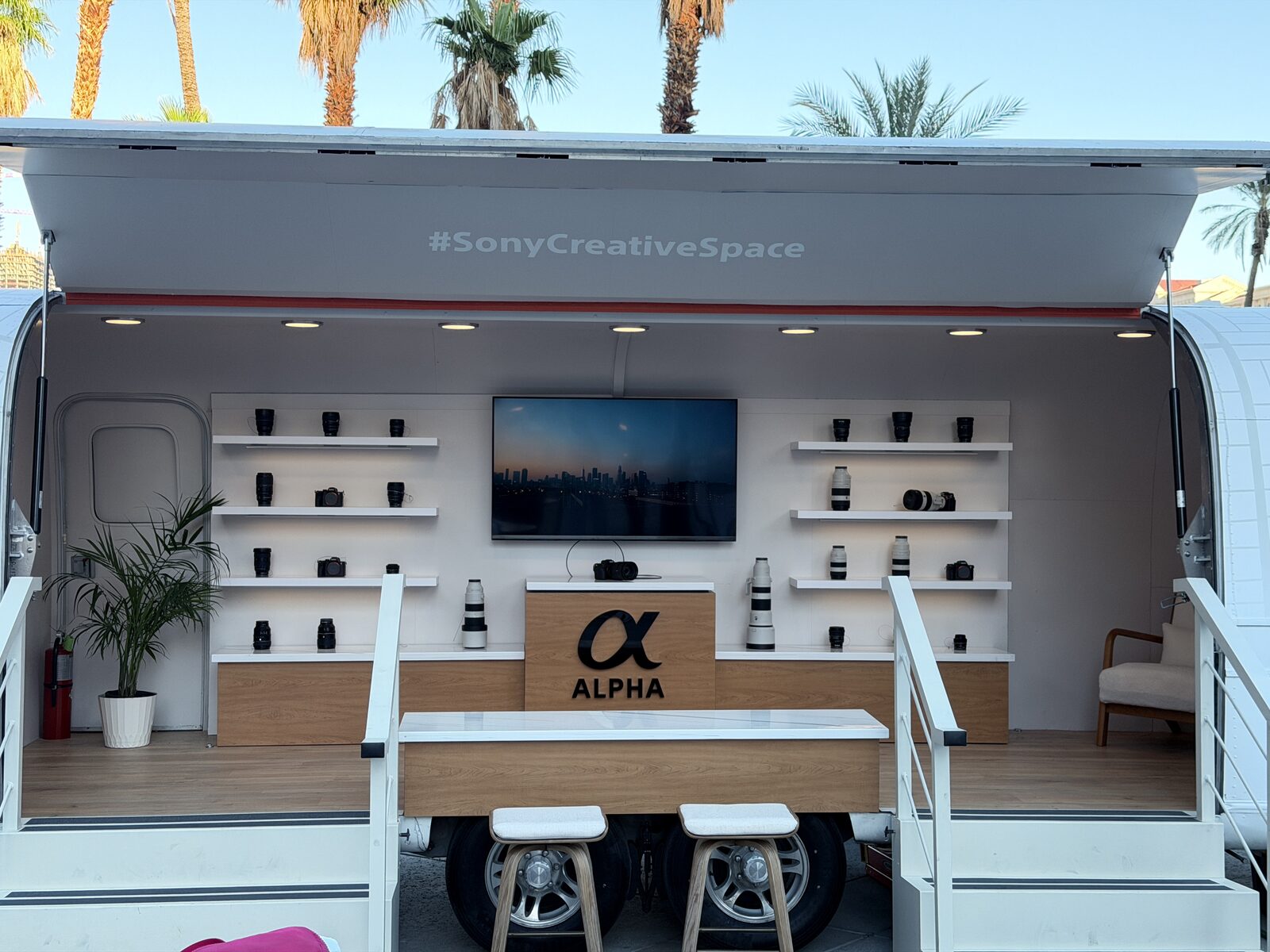
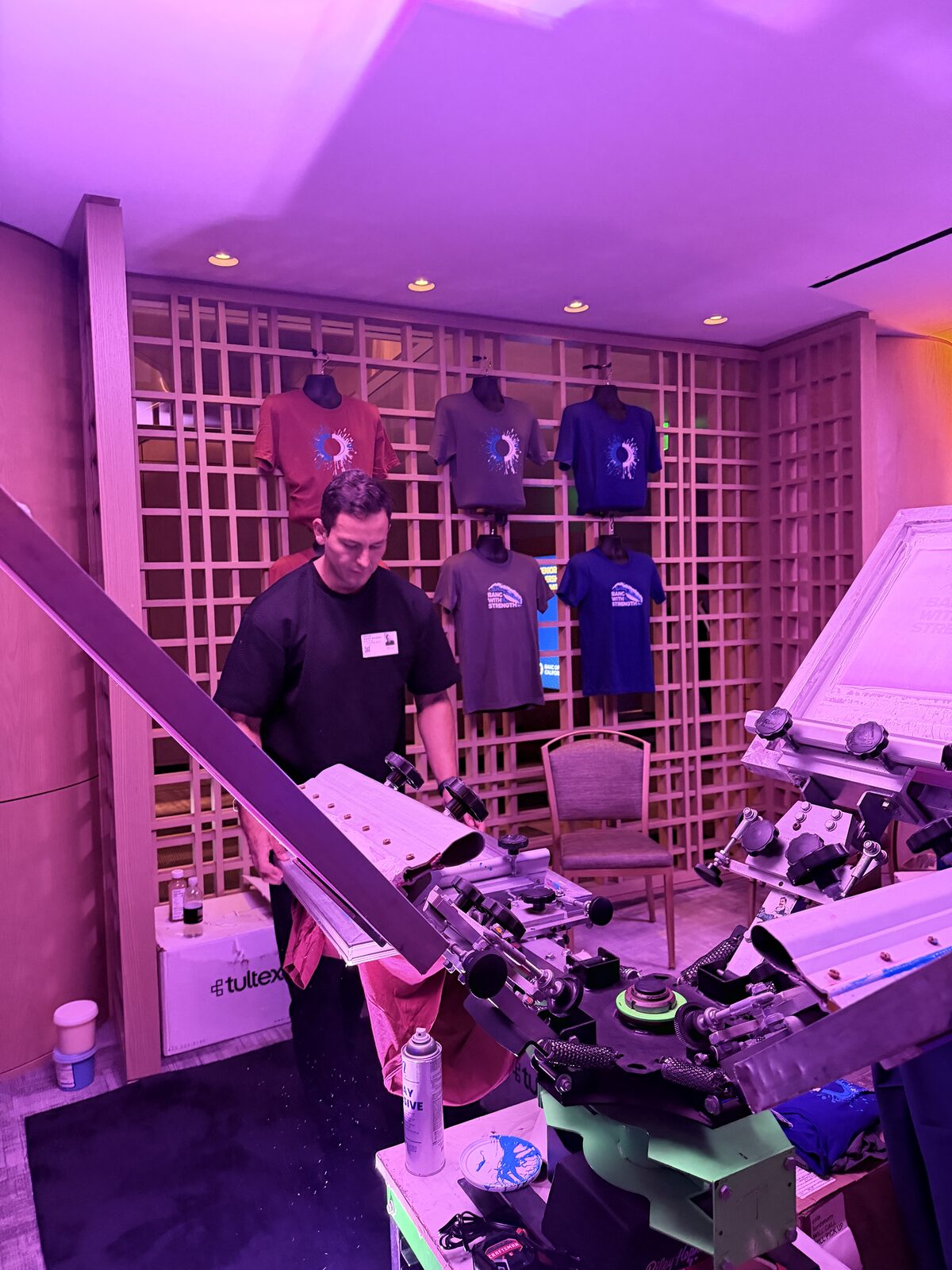
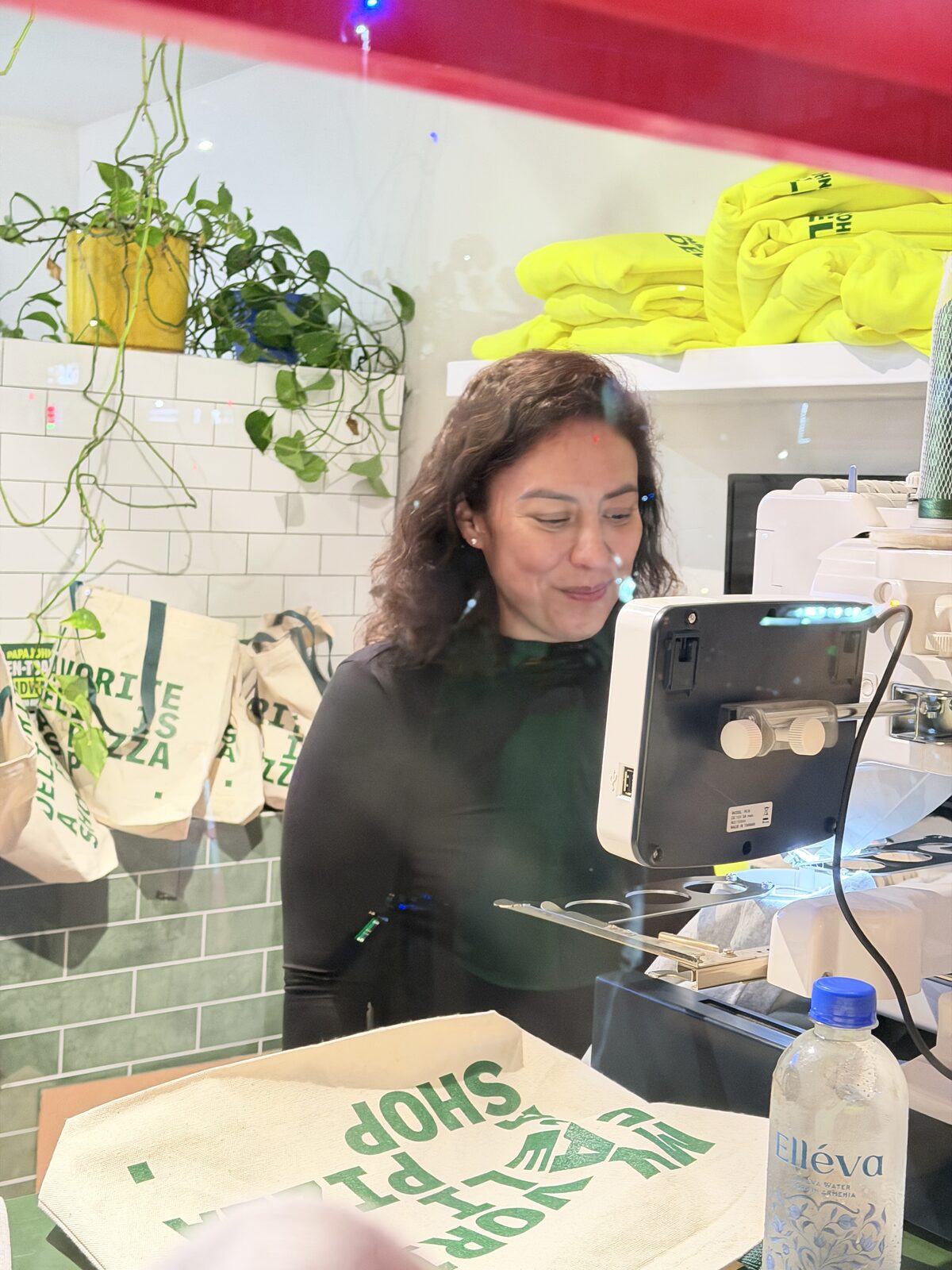
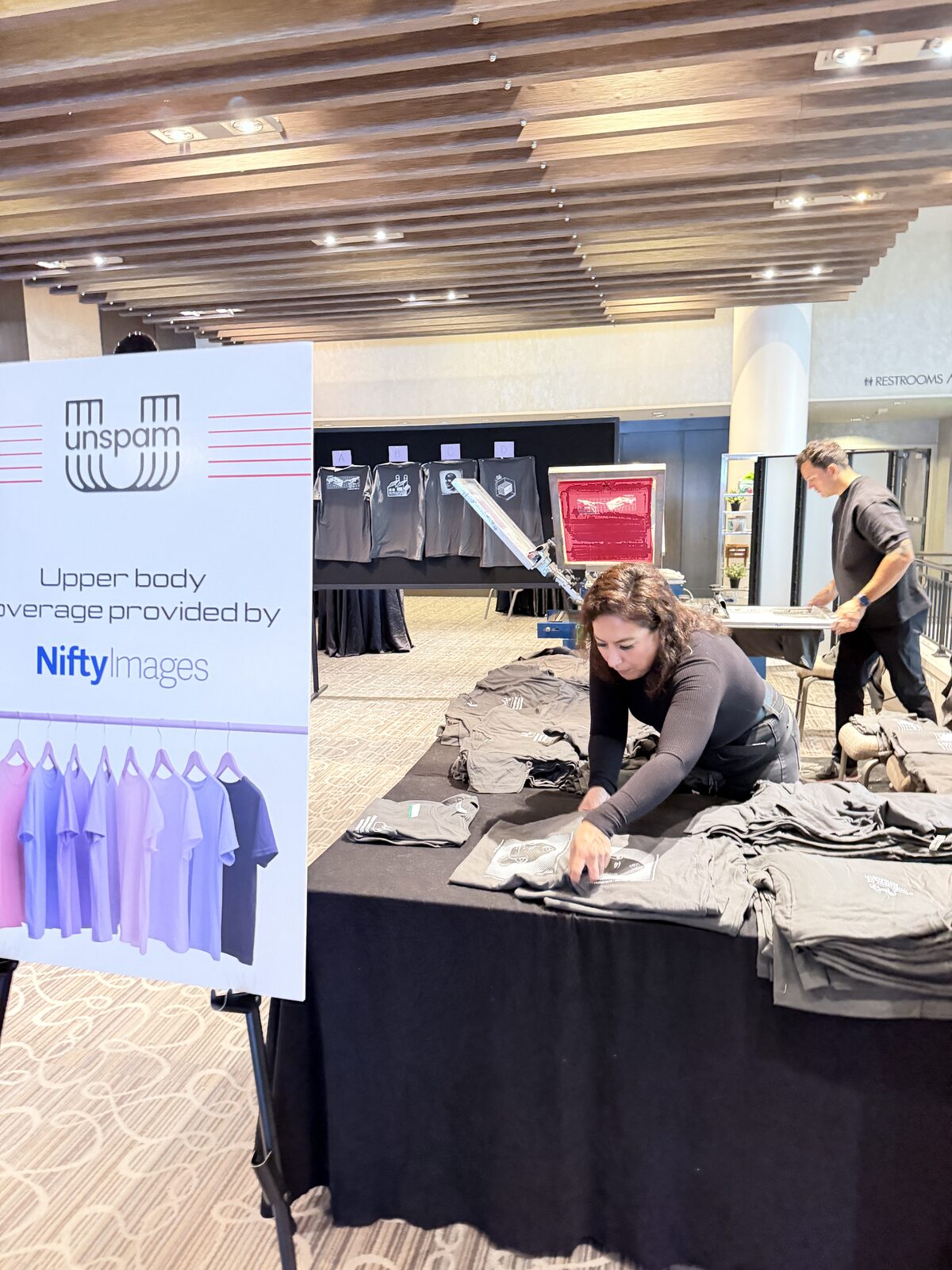
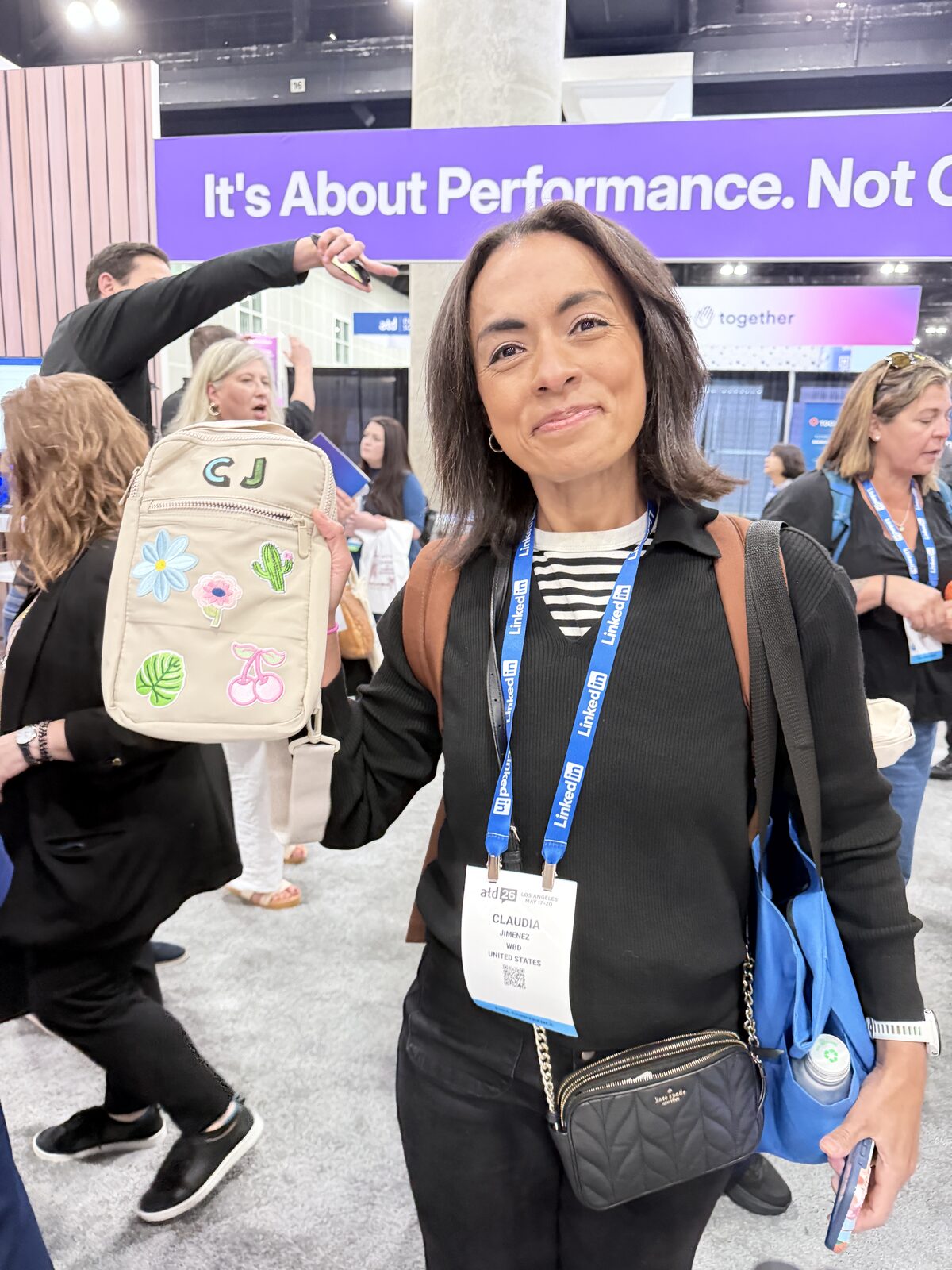
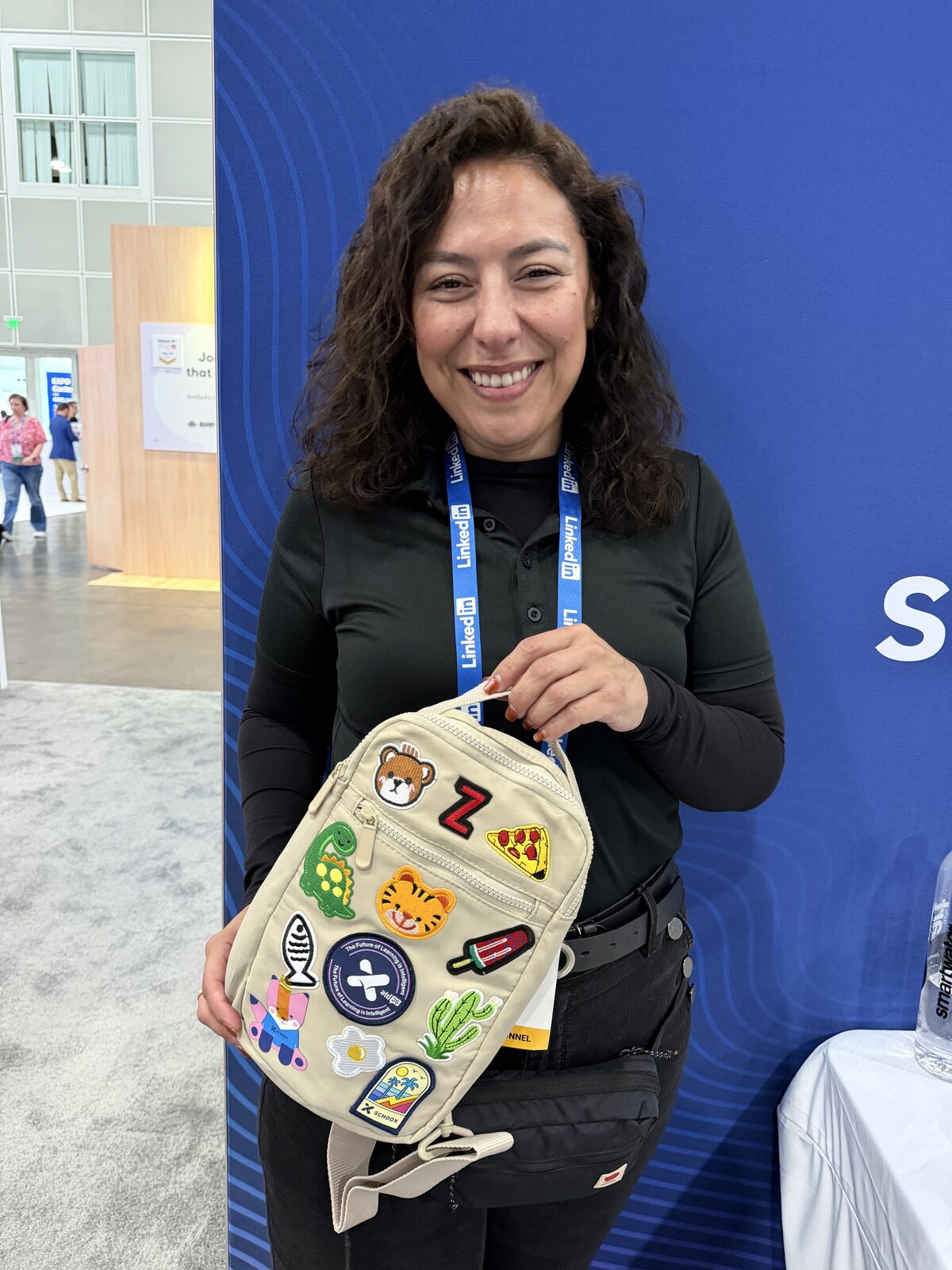
These images show formats, not clients, and they are here to answer a planning question rather than to make a claim: what does each part of a merch program actually occupy in a room? A staffed production area is the largest and loudest element, and it needs a defined footprint, power, and a route from a vehicle to the spot. A personalization table is smaller but slower per person, so it wants space beside it for a queue to form without blocking a walkway. A merch stand holding finished goods takes the least room of all and can sit almost anywhere, which is why sizeless items so often end up carrying the volume in a tight venue.
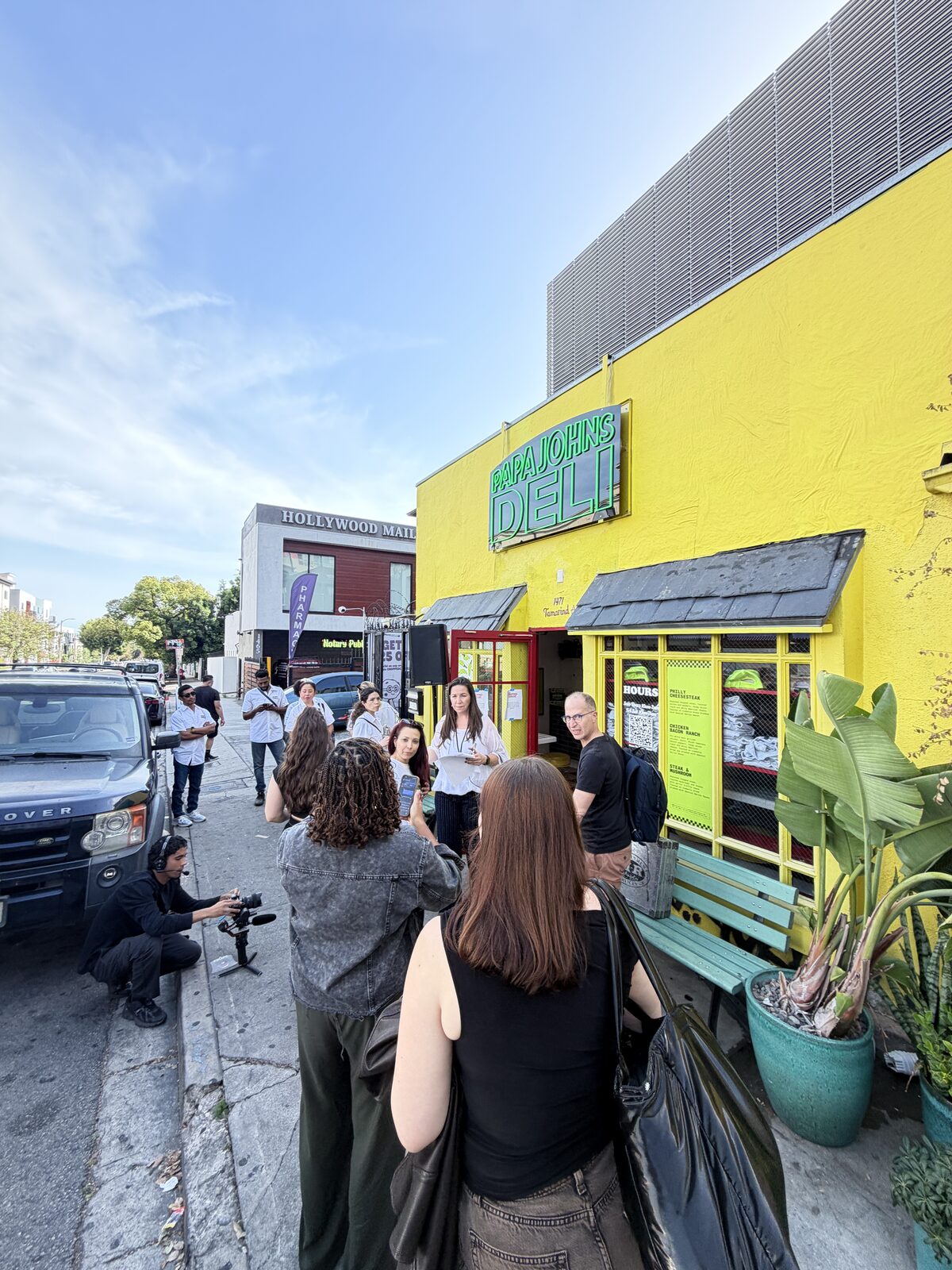
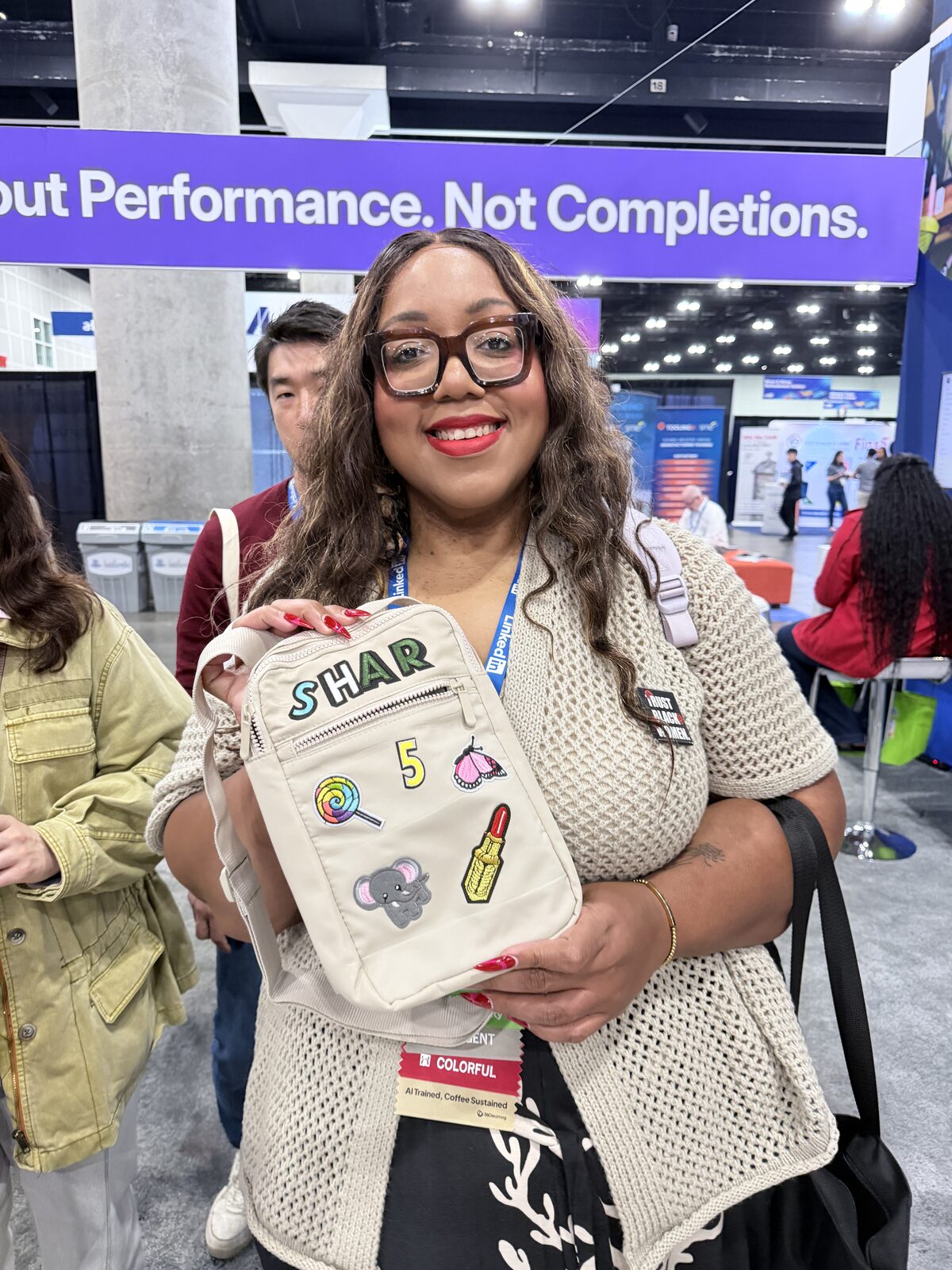
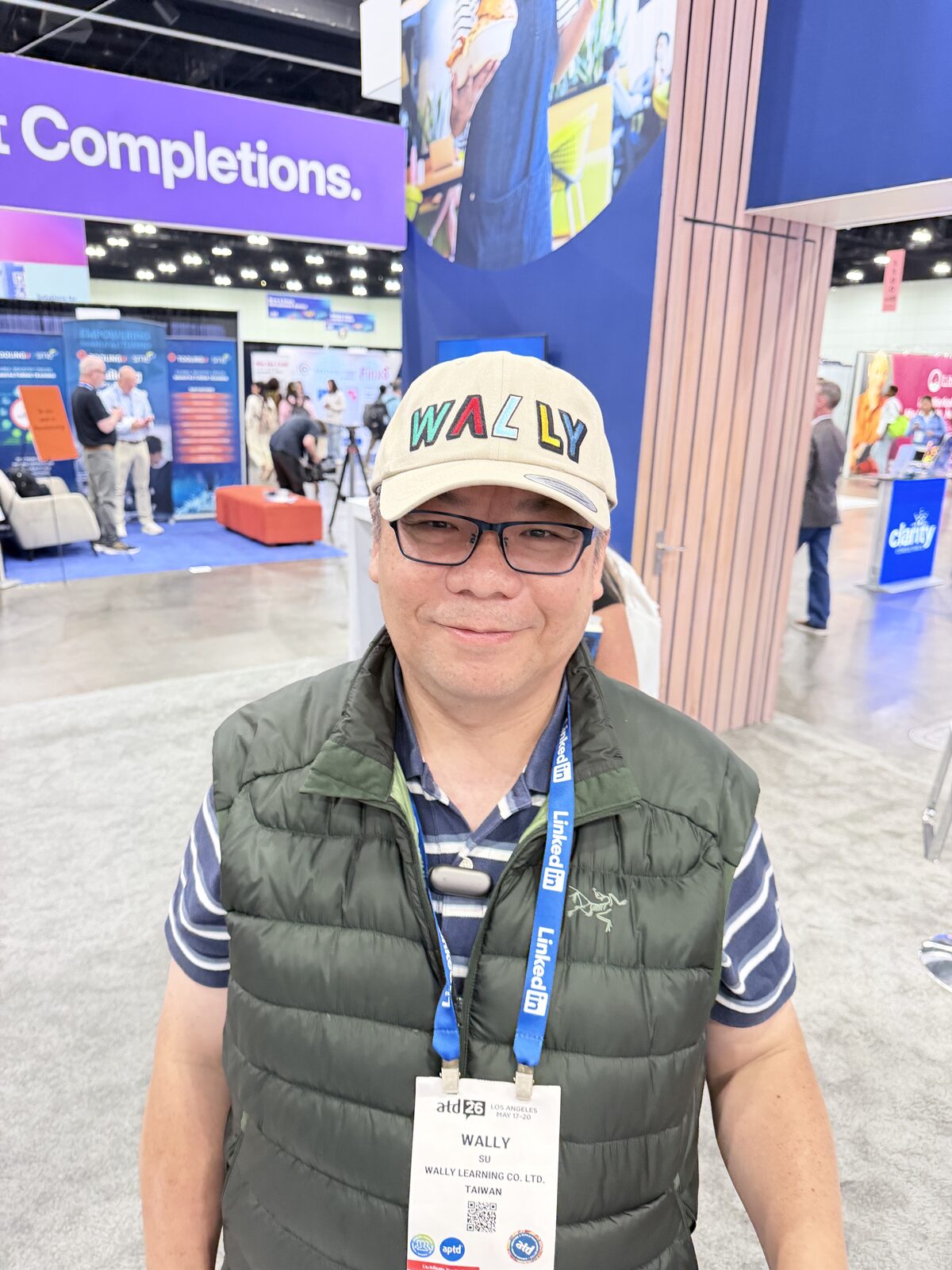
The outdoor and mobile frames show the same functions moved into places without a loading dock or a wall socket — a trailer build-out, a street-level footprint, a covered table. And the frames of people holding a personalized bag or wearing a cap show what a program is ultimately measured on: whether the item left with somebody. That is the moment every earlier decision about item mix, quantity and station count is really aimed at.
Planning your own
If you are working out which of these elements your event actually needs, start from the room and the run of the day rather than the item list. Send the date, city and expected attendance through the work order, or browse the occasions we work across to see which format tends to suit each one.