Fullerton, CA Travels nationwide
One event merch plan: every item guests take home
You are not buying a product, you are deciding a lineup: which items, how many of each, which decoration method suits each material, and how many stations it takes to make them. We help you set that mix, then bring the crew that produces it on your floor.
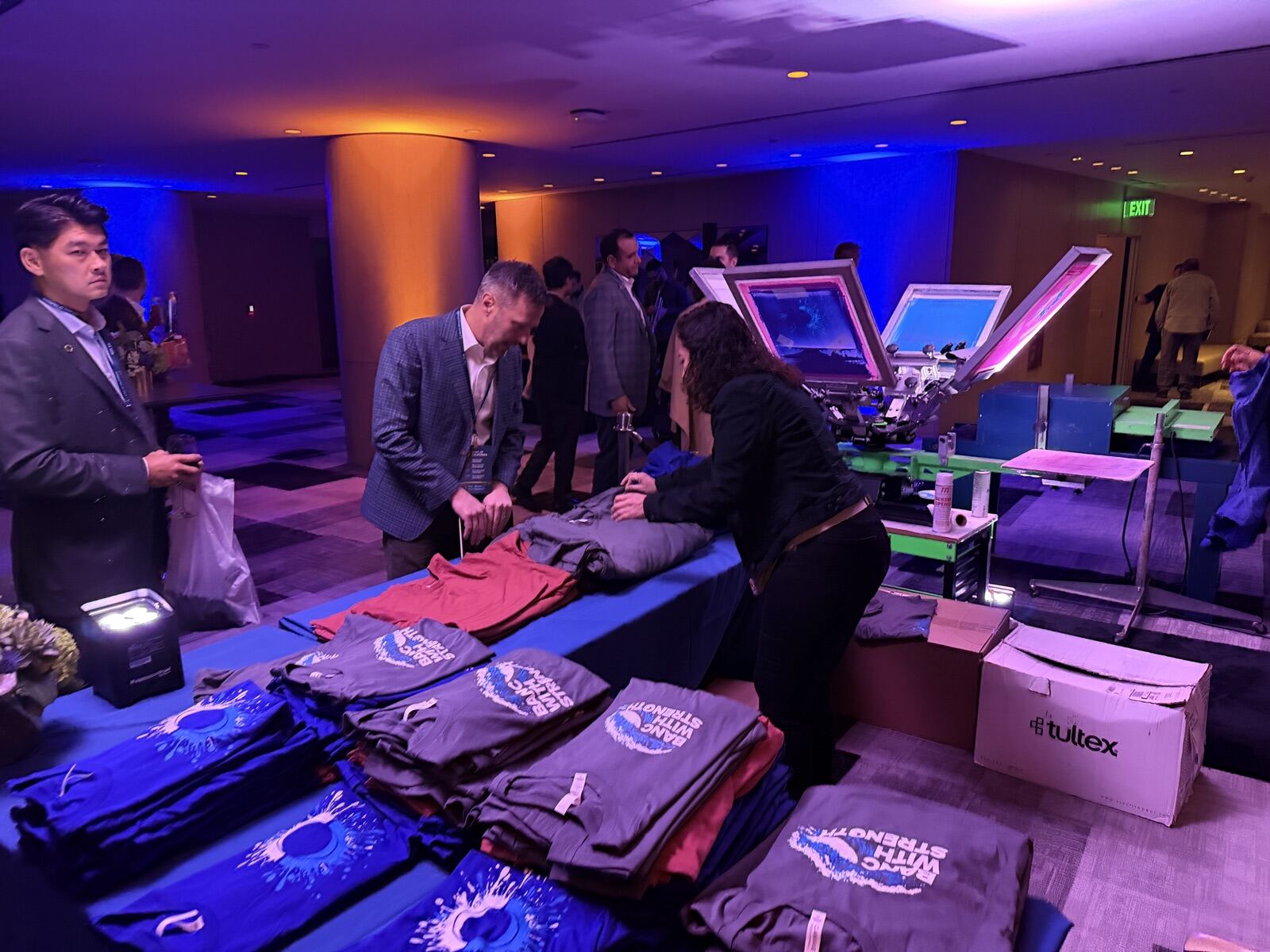
The build plan
How a merch program gets built
Four decisions turn a vague merch budget into a lineup with defensible item counts, a method per material, and the right number of stations on your floor.
Set the mix
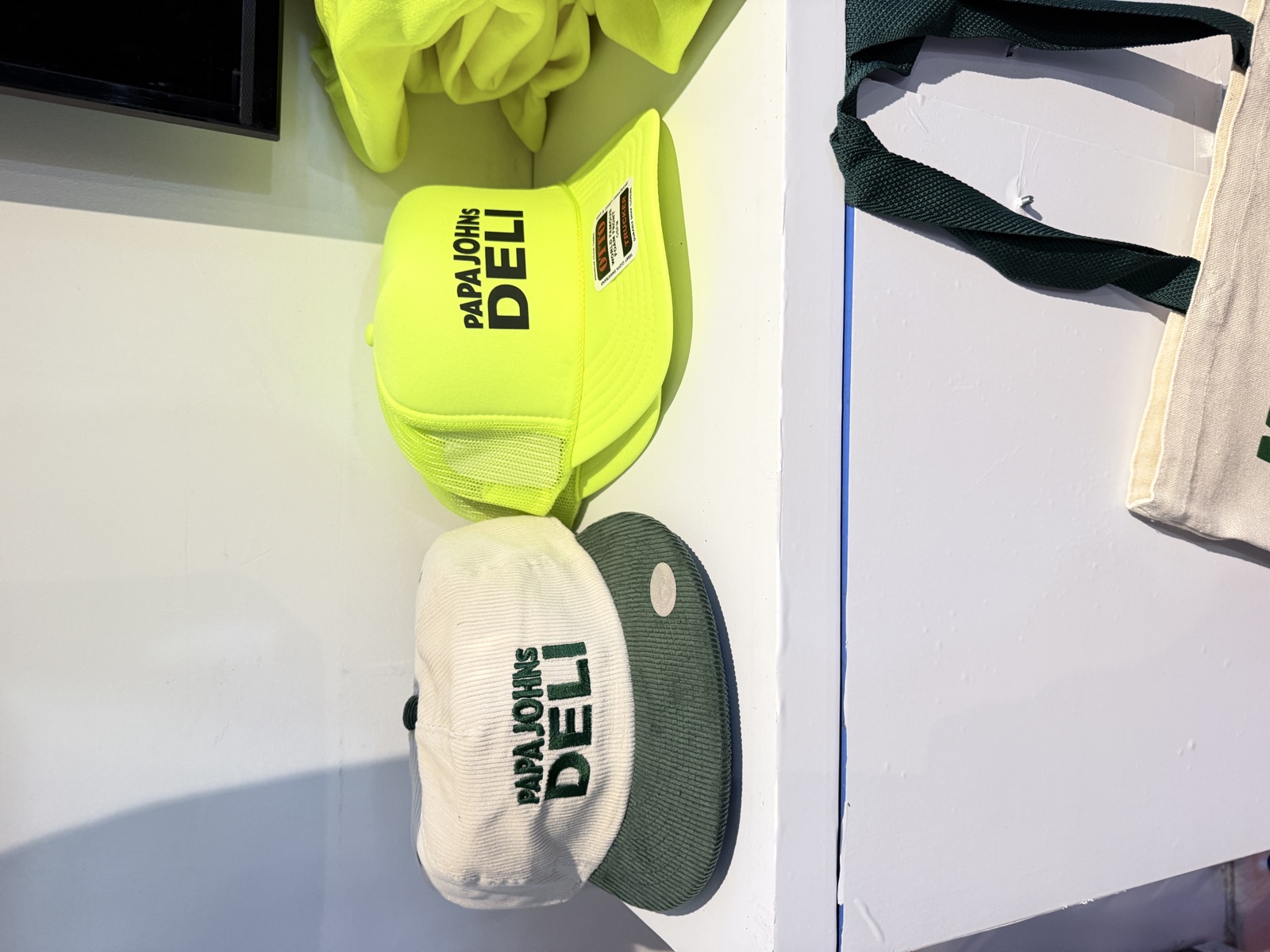
We start from your audience, not a catalog. An outdoor crowd skews toward headwear; a conference floor skews toward bags and hard goods; a launch usually wants one hero item plus a cheap second tier.
Match method to item
Embroidery for caps, DTF or screen for soft goods, laser and UV DTF for drinkware, patches for canvas and denim. Each item gets whatever holds up on that material, not whatever machine is easiest to load.
Model the counts
Attendance is a ceiling, not a forecast. We estimate how many of each item actually get claimed at your kind of event, then build cushion into the sizes that move so hour four looks like hour one.
Size the floor
Station count sets throughput, footprint, and crew cost in one move. We tell you how many your window needs — and when a second station beats simply booking more hours.
Want the planning detail? Read how an on-site merch program runs, decision by decision.
One of six
Six methods,
one budget
Scroll to pull the squeegee. Screen is the cheapest method per piece once volume climbs, which is why it usually carries the biggest line in the mix while embroidery, laser and UV DTF handle the items guests treat as gifts.
- 01 Ink
- 02 Pull
- 03 Peel
- 04 Done
Build the lineup
Filling the tiers
Most programs run three slots: a volume item nearly everybody accepts, a middle item for the people who came for the brand, and one premium piece worth standing in line for. Filter by category to see what fits each slot.
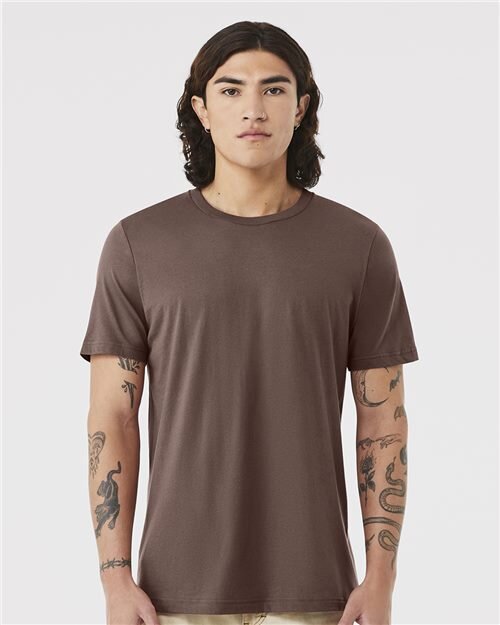
Bella+Canvas 3001 tee
The volume slot — where most of the item count sits.
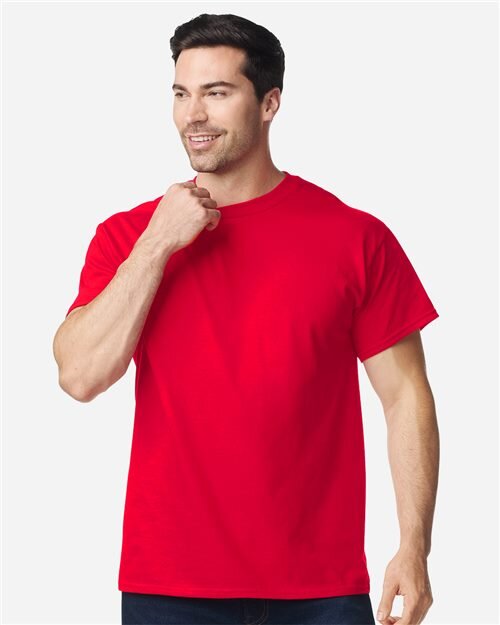
Gildan 5000 heavy cotton
Stretches the count when headcount outweighs hand-feel.
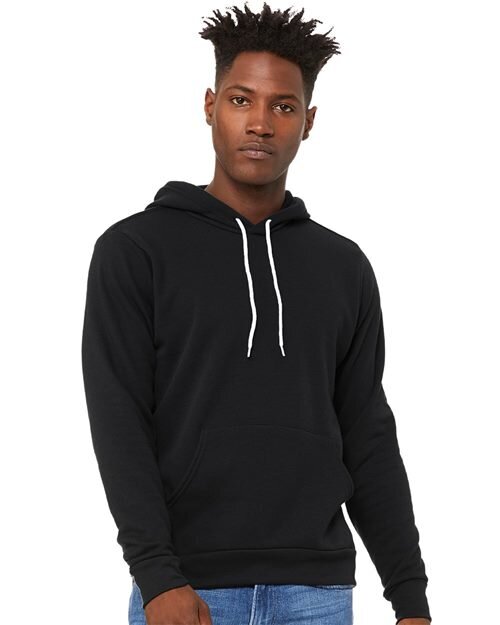
Bella+Canvas 3719 hoodie
Premium slot. Cap the count — it eats budget fastest.
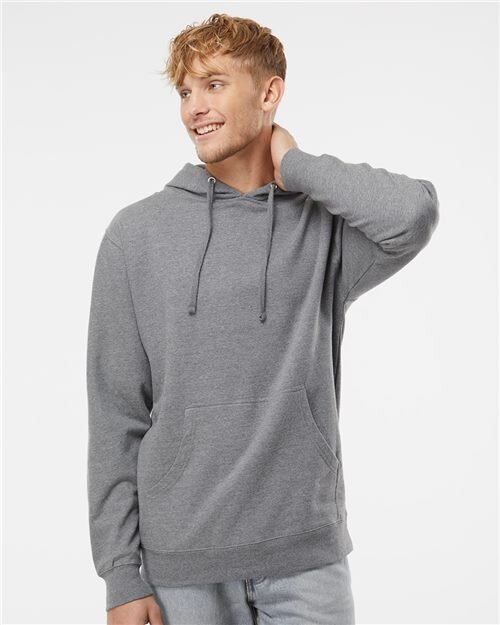
Independent SS4500 hoodie
Middle slot, between tee money and hoodie money.
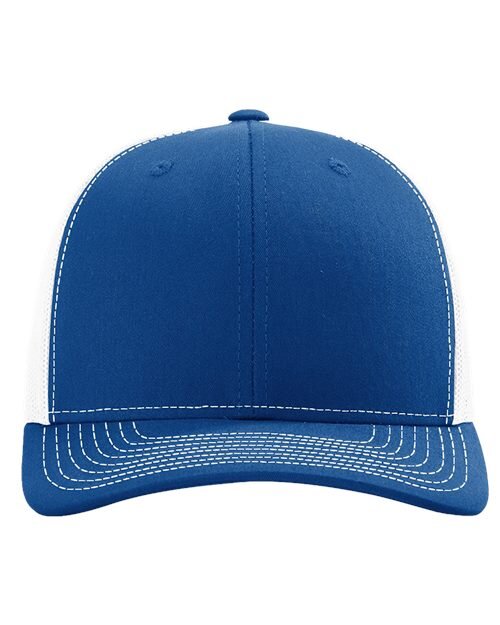
Richardson 112 trucker
Out-claims apparel whenever the crowd is outdoors.
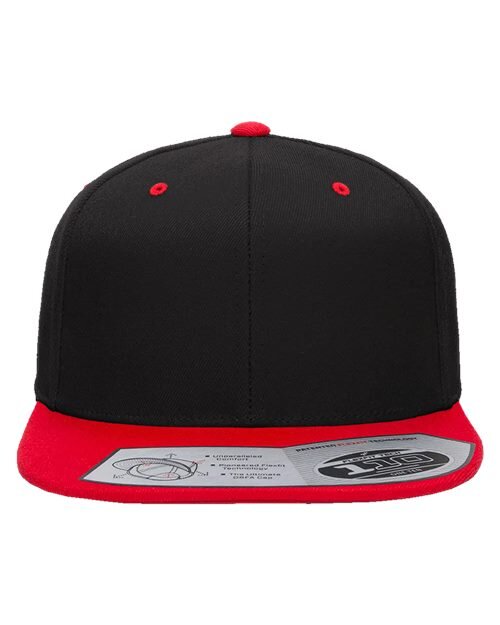
Flexfit 110 snapback
Give a sponsor its own item instead of stacking logos.
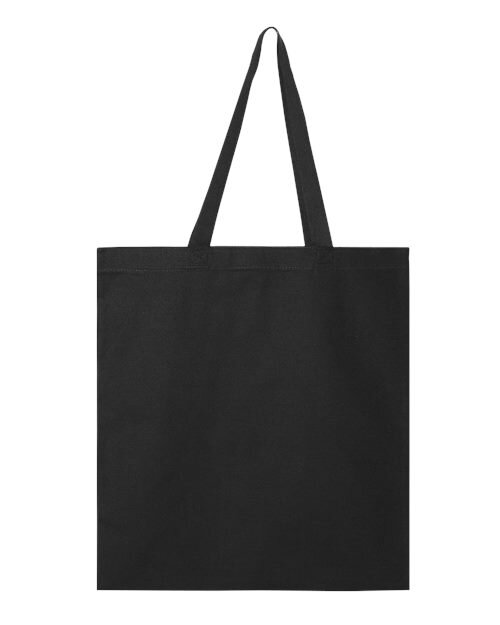
Q-Tees Q800 canvas tote
Covers the guests already carrying too much.
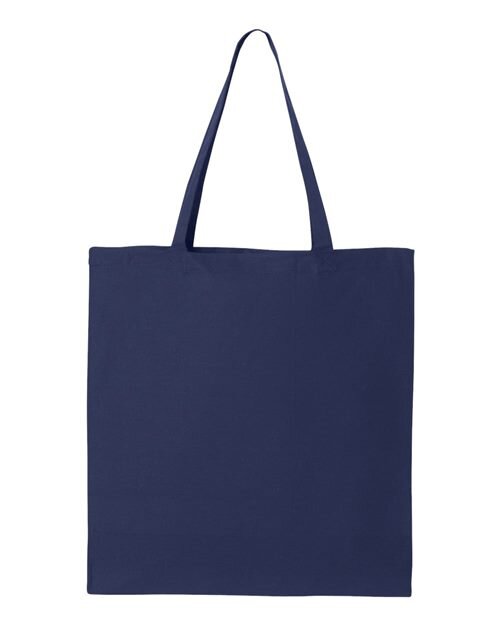
Liberty Bags 8502 tote
The cheapest way to brand every single attendee.
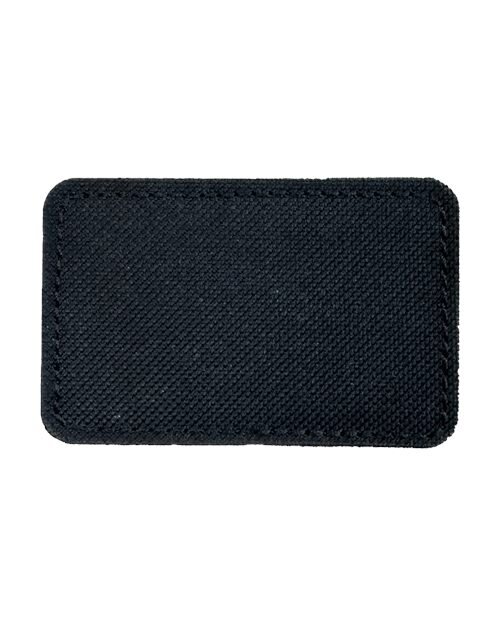
Custom patches
No size curve to model, so nothing strands in the wrong size.
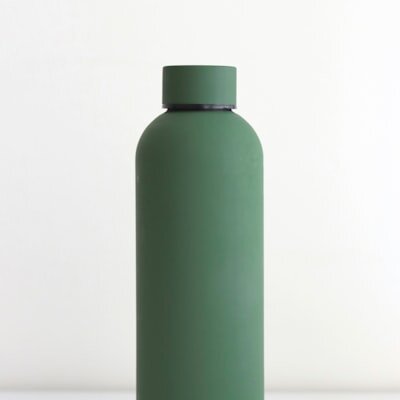
Insulated tumbler
Outlives the event by years at a hard-good price.
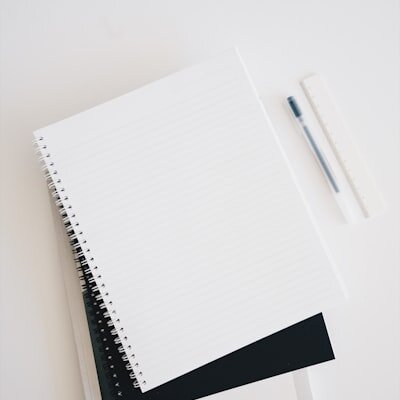
Engraved journal
Hold this tier back for speakers and VIPs, not the floor.
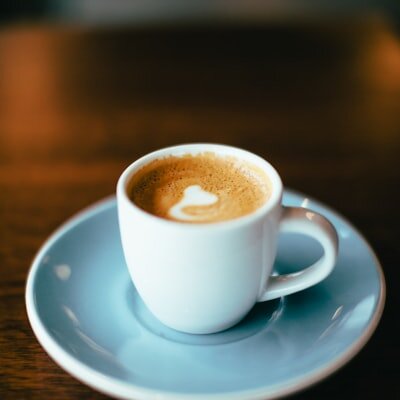
Ceramic mug
Low unit cost for programs weighted toward giveaways.
Weighing one slot against another? The tier guide shows how the trade-offs run, or send the budget and we'll allocate it for you.
The planning gap
One bulk item vs
a real merch mix
The default plan commits the whole budget to 300 of one thing in five sizes. A program spreads the same money across items people self-select, and lands with almost nothing stranded.
| One bulk item, ordered blind | A planned mix, made on site |
|---|---|
| Every dollar committed to one item | Budget split across tiers, shiftable until event week |
| Anyone who dislikes that item takes nothing | A hat, patch, or tumbler for the people who skip apparel |
| Sponsor logos crowded onto one garment | Each partner gets its own item and its own placement |
| Overage becomes storage, shortfall becomes an apology | Counts trued up on site as the real claim rate shows |
| One decoration method applied to everything | Method chosen per material, so nothing peels or puckers |
| Sizes locked by a spreadsheet guess | Made in the size the guest is standing in |
On the floor
Programs running
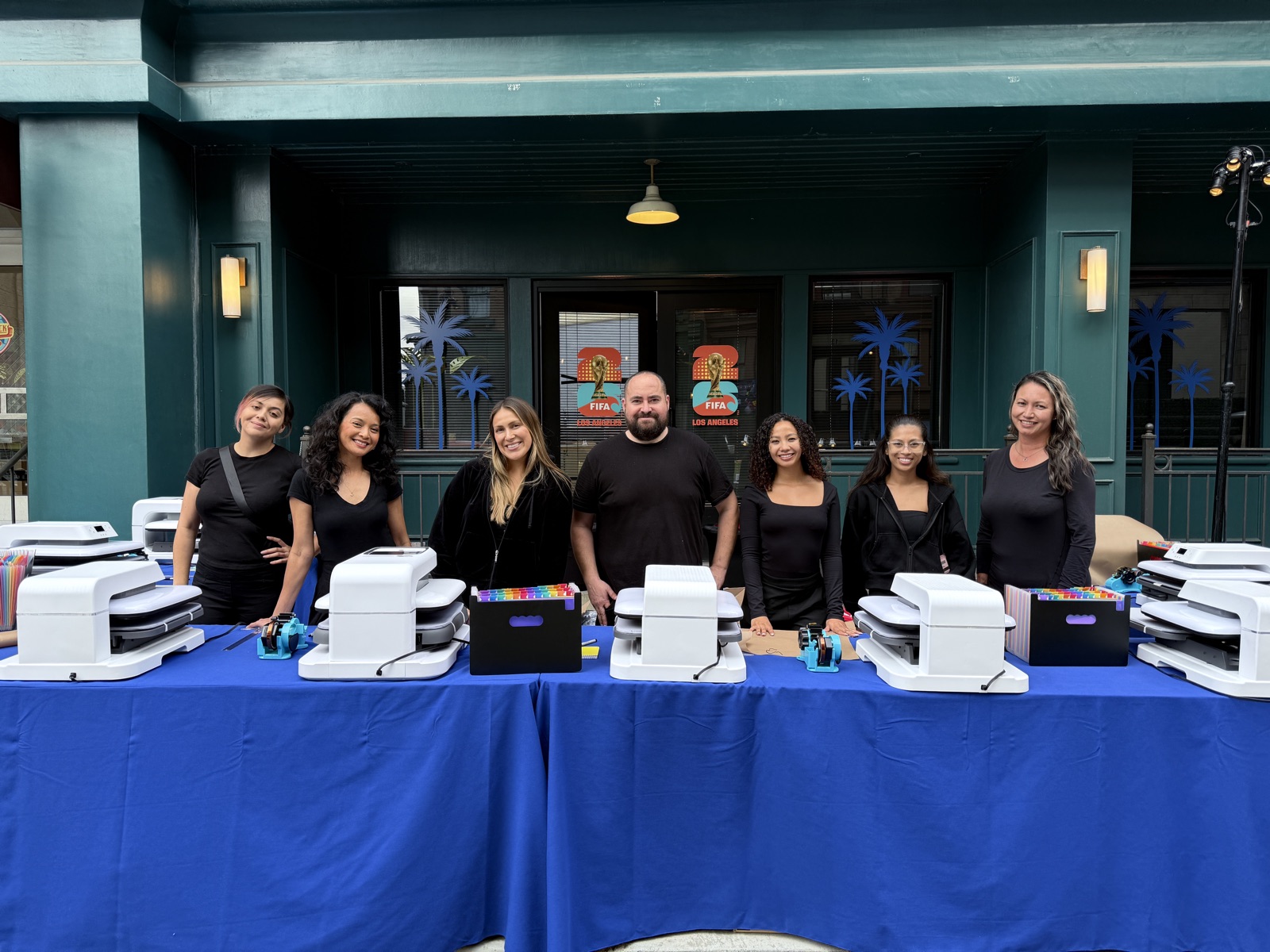
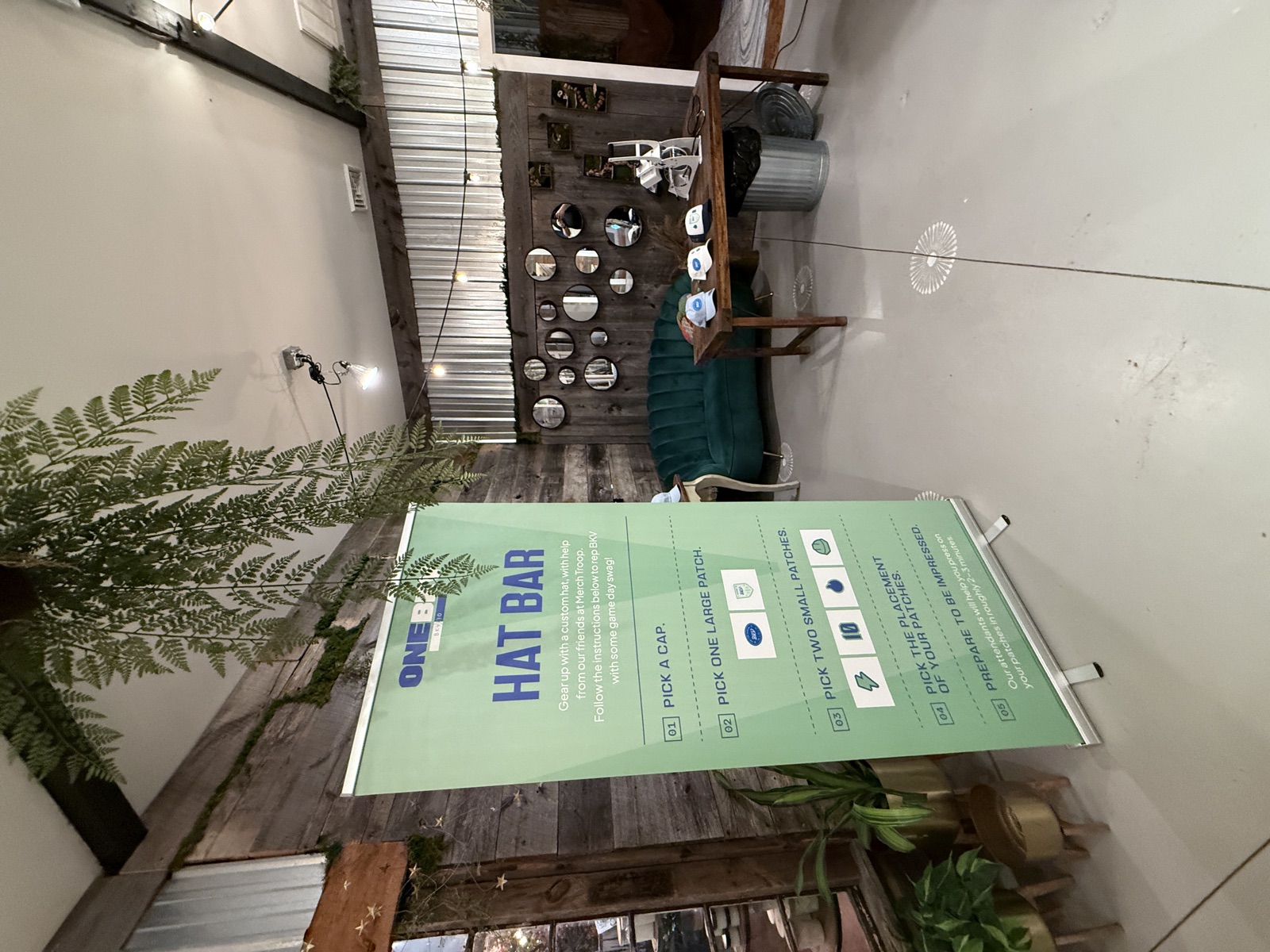
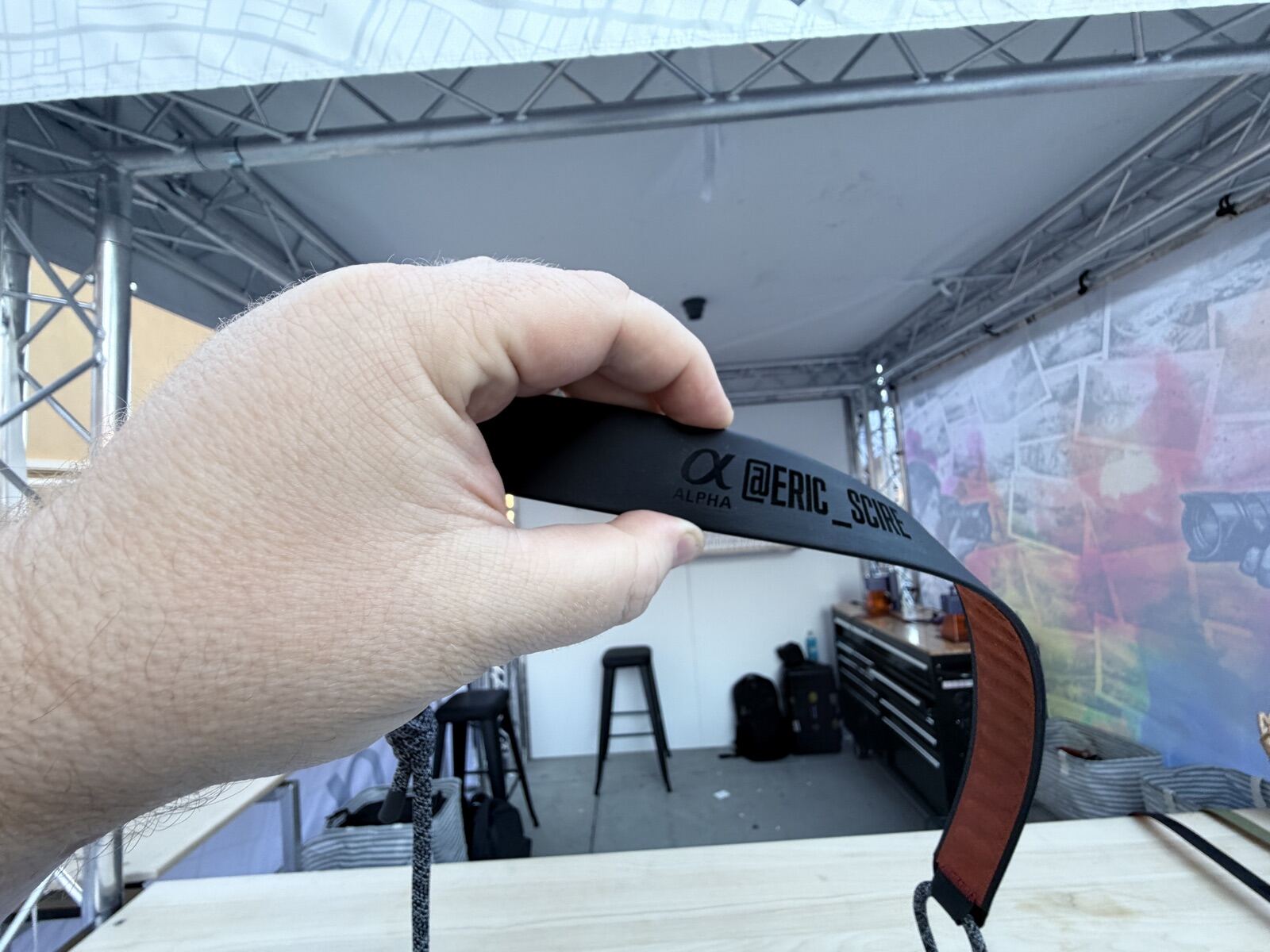
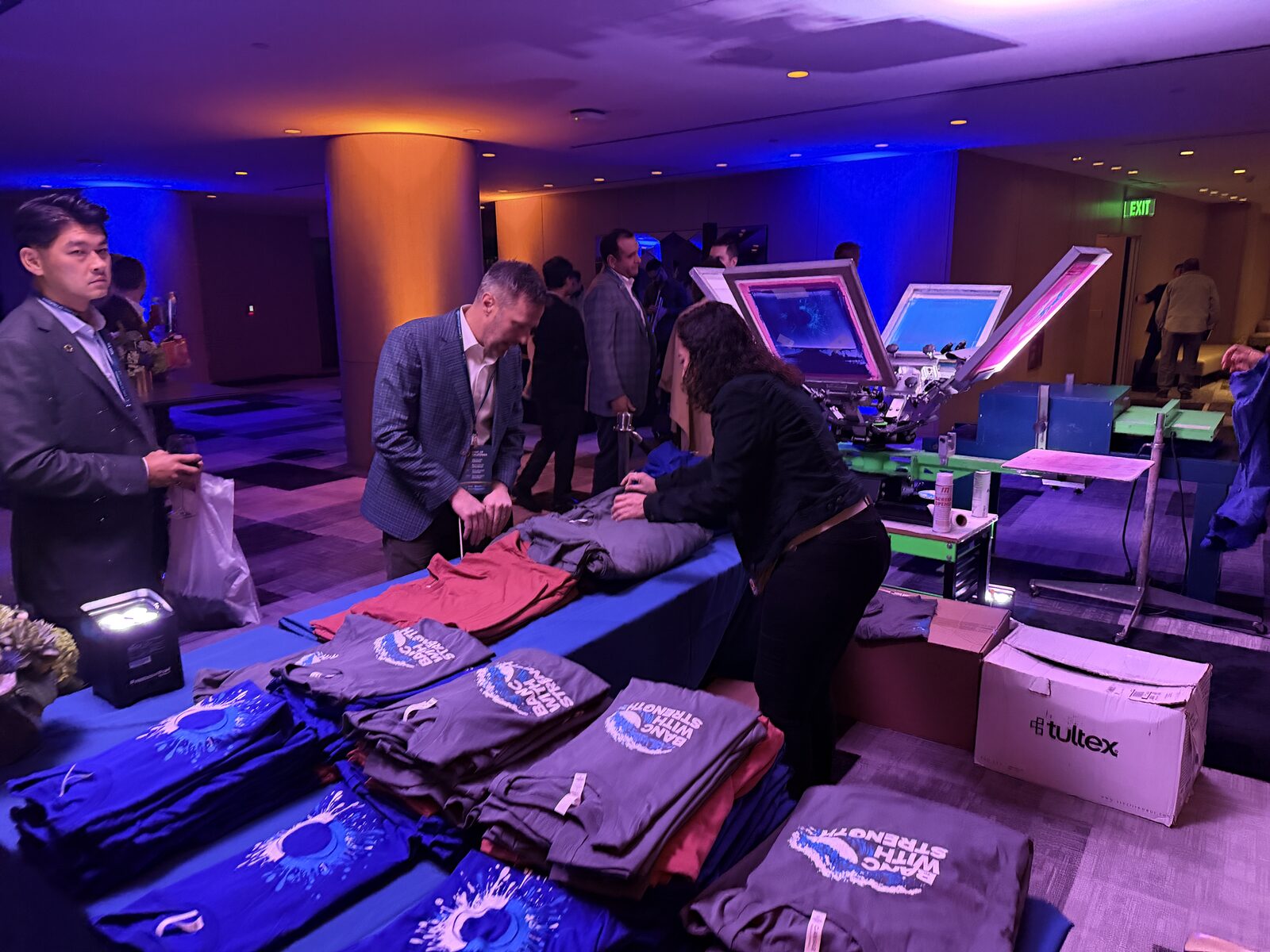
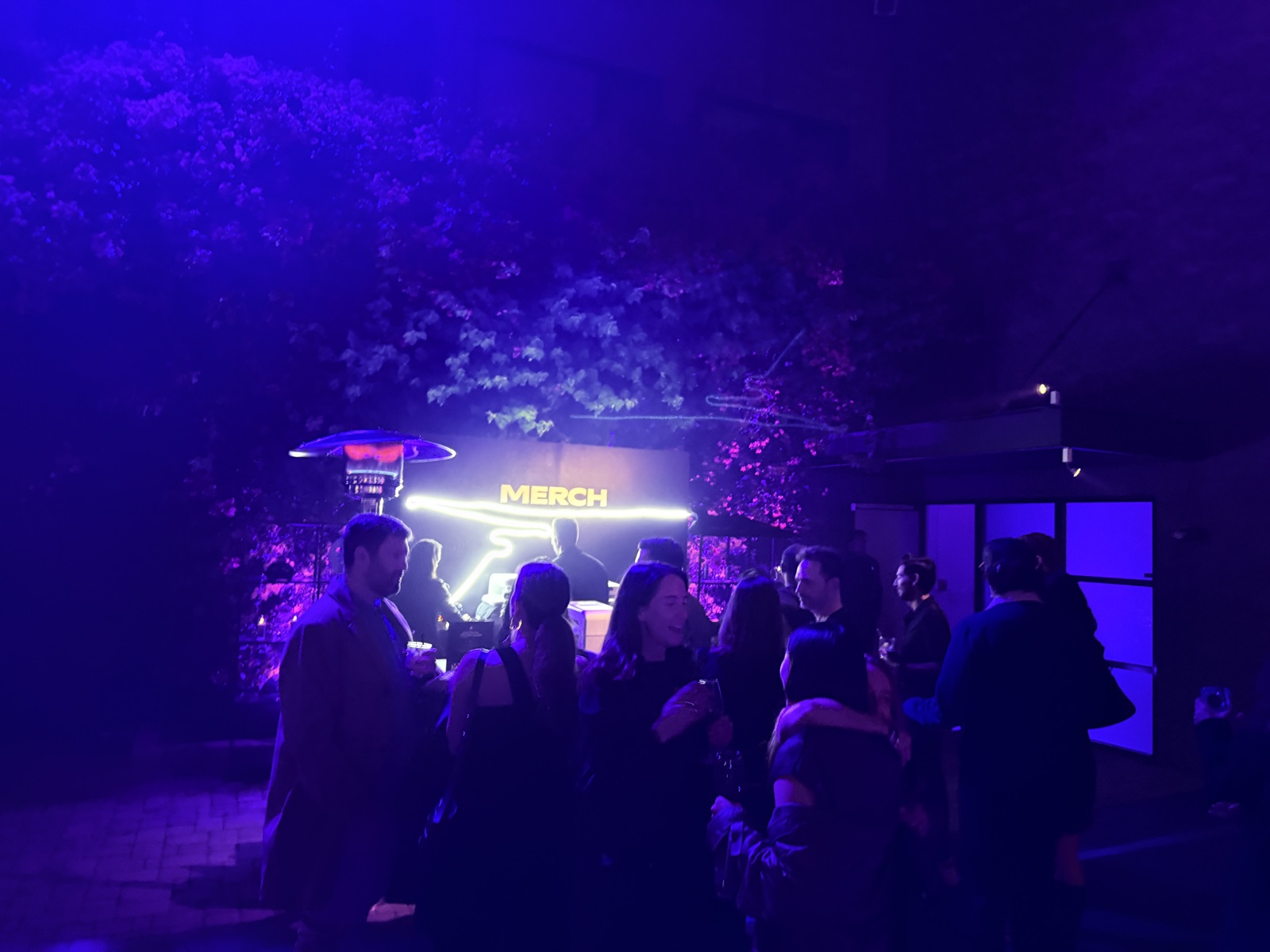
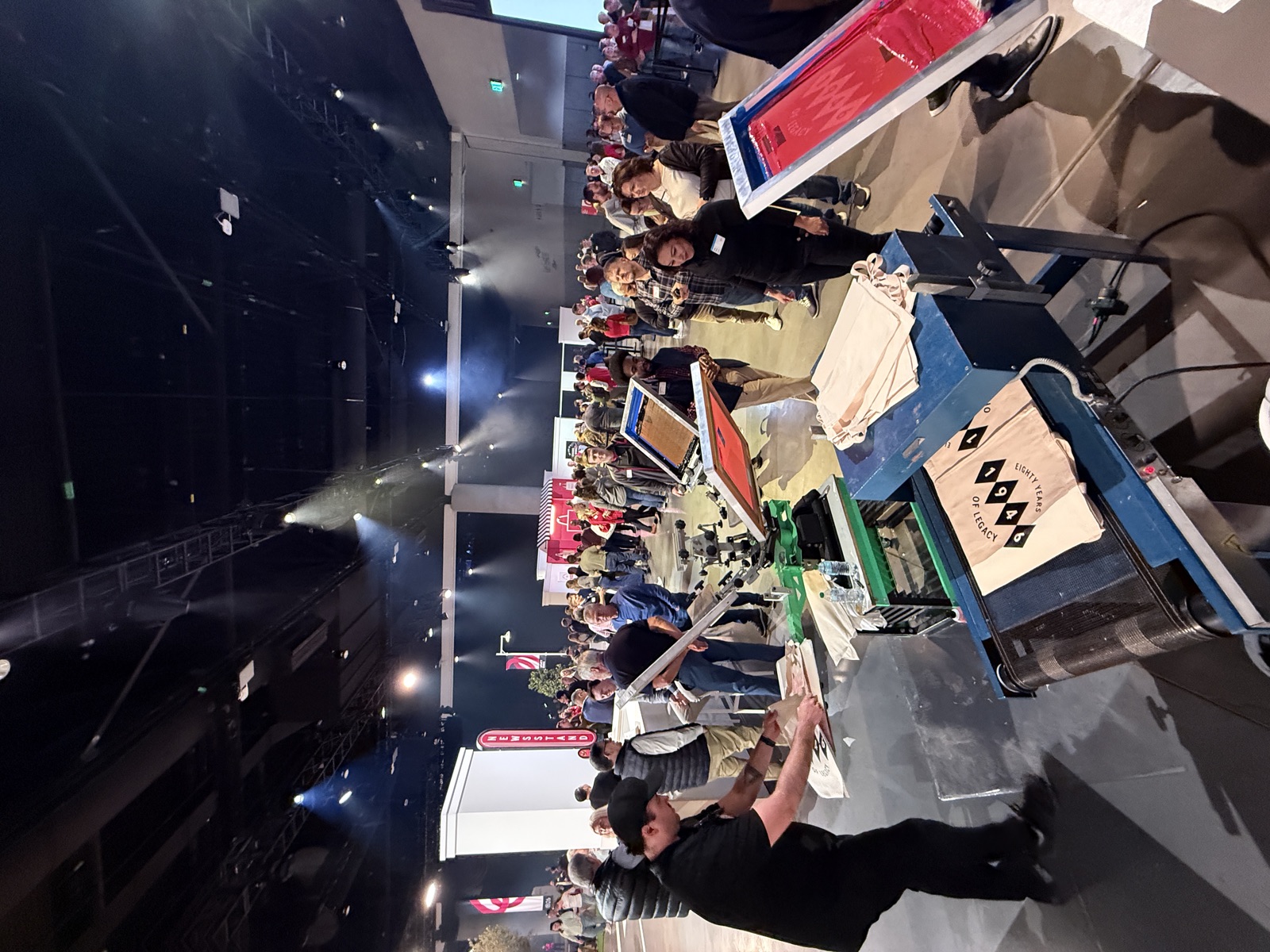
Single-table corners, two-station builds, three-station builds — here is what different program sizes actually take up once they are standing in a room.
The mix shifts
Different rooms, different mixes
Planner questions
Planning, answered
Anchor on one item most attendees will accept, then hold a meaningful share back for a second tier and something small for the people who skip apparel entirely. Programs that pour everything into a single hero item are the ones that end up with boxes left over. Total spend usually falls between $5K and $15K.
Attendance sets the ceiling, not the forecast. Claim rate moves with whether guests are already carrying bags, how visible the station is, and how long the queue looks. We build a count per item with cushion in the sizes that move, rather than committing every unit weeks out, and true it up on the day.
Station count follows your busiest hour, not your headcount. One station anchors most programs; a second roughly doubles throughput and gives a slow method like embroidery its own queue instead of blocking everything behind it. The first station is $250 an hour including setup and teardown, and each additional station adds $125 an hour.
Two to four weeks suits a full program, because the mix, the artwork and the blank sourcing each need lead time and the premium items need the most of it. Spring and fall weekends fill first. Tighter than that, ask anyway — a lean two-item mix can be assembled quickly even when a six-item one cannot.
Very little is left, which is the main reason a program beats a bulk order. Pieces are decorated as they are claimed, so undecorated blanks simply go back on the truck. Anything already decorated goes wherever you decide in advance — staff, sponsors, a follow-up mailing, or a donation you name.
Material decides it, every time. Caps take embroidery or a heat-pressed patch, drinkware and hard goods take laser or UV DTF, soft goods take DTF or screen. Choosing by item rather than by whichever machine is already on the truck is what stops one line in the lineup looking obviously cheaper than the rest.
Yes, and it is worth planning deliberately rather than stacking every mark on one garment. Give each brand an item of its own — one takes the apparel, one takes the headwear, one takes the hard good. Guests self-select, every partner gets clean placement, and nobody ends up as the small logo in the corner.
Orange County, LA and San Diego carry no travel line at all. Anywhere further, a $900 travel allowance sits on the quote as its own item so you can weigh it against merch spend rather than find it buried in a rate. We work nationwide, and the per-station hourly rates do not change.
Need the long version? The Answers hub goes deeper on mix, counts, and station math.
Merch Troop overview
See a full program before you allocate a dollar to it.
Watch the short Merch Troop overview, then send your date, venue and headcount. We come back with a proposed item mix, a count per item, the station plan, and what each line costs.
A planner reads it
Tell us what
you're planning
Send the shape of the event and a rough budget. Someone here builds the mix, the count per item and the station plan, then sends it back itemized inside 24 hours. Programs are usually budgeted at $5K – $15K across everything.
- An itemized mix, never a single per-piece rate
- A method matched to each material, item by item
- Stations at $250/hr, plus $125/hr for each one after
Rather talk the mix through?
(562) 614-4800
contact@merchtroop.com