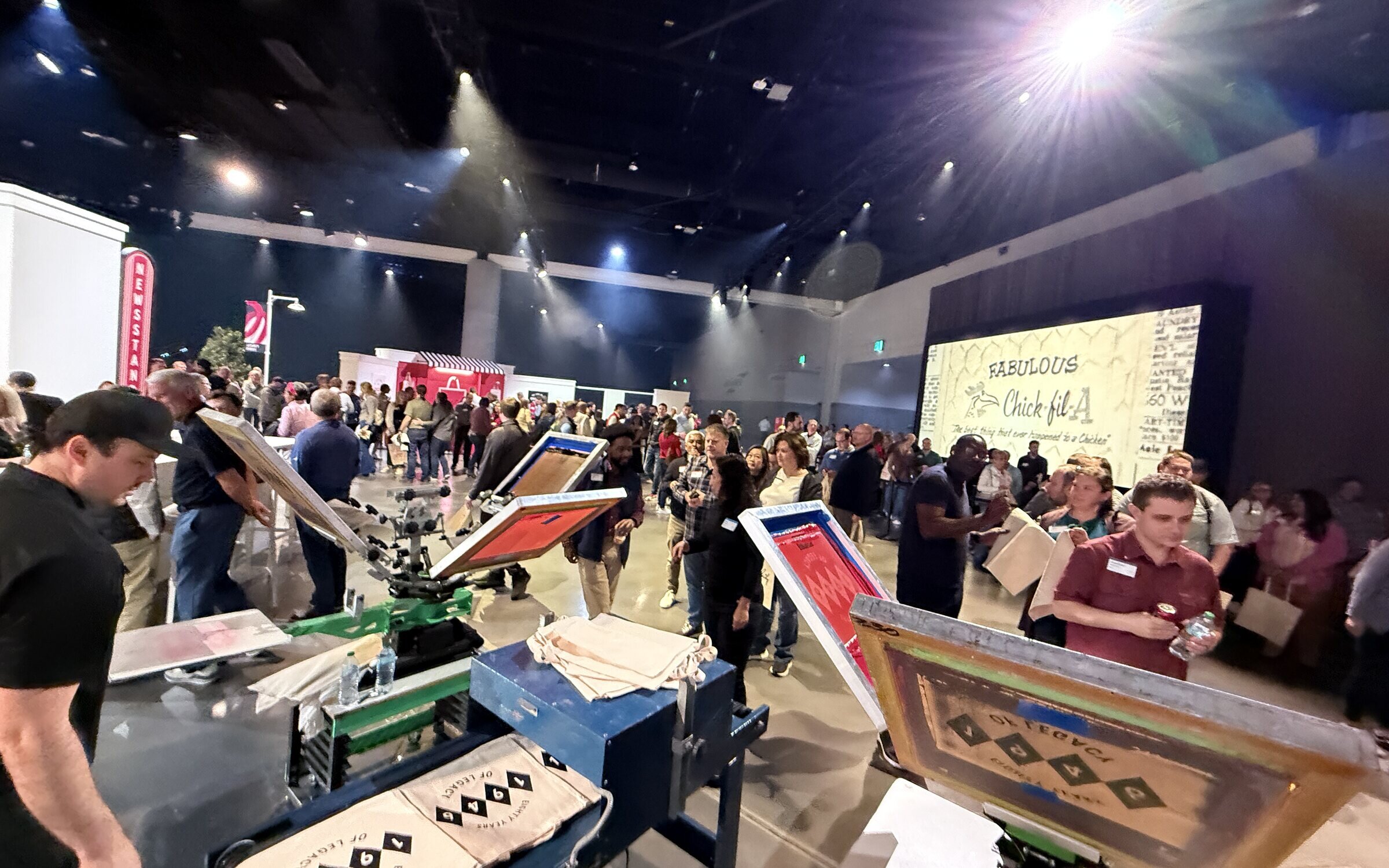
New York is the market where the program gets designed around the load-in rather than the other way round. Most of the venues clients want here — SoHo storefronts, Brooklyn warehouses, Midtown ballrooms, Long Island City studios — have no loading dock, no spare storage, and a freight elevator shared with every other tenant in the building. Anything that would work in a hall with a dock behind it has to be rebuilt as something that fits behind a counter and is replenished daily by hand truck. That constraint decides the item mix before taste ever gets a say.
The certificate of insurance problem
Building certificates in Manhattan have to name the owner, the managing agent and sometimes the net lessee exactly as they appear in the building's own rider. Getting one of those names wrong is the most common reason a load-in gets turned away at the door, and it is not something anybody can fix at eight in the morning on the day of the event. We ask for the rider the moment a venue is confirmed and file against it, along with the freight elevator window and the dock appointment where one exists at all.
Pop-ups and the storefront format
Retail pop-ups are a New York specialty and they suit a merch program better than almost any other format: a short design menu, a counter where people choose rather than receive, and scarcity mechanics this city understands without explanation. The constraint is the room itself — a storefront has space for a counter, a rail and perhaps two cases underneath. That pushes the program toward on-site decoration over pre-produced stock, and toward DTF and laser personalization, which need no setup between one piece and the next and so waste nothing on a short run.
The convention floor and the corporate side
The West Side convention floor runs on standard exhibitor rules: drayage through the general contractor, electrical ordered against the advance deadline, union labor for anything beyond hand-carried material. Midtown and Hudson Yards corporate events add building security, badge lists and elevator scheduling to the same picture. In both cases the answer is the same — a compact program and an early paperwork submission. The equipment is heavy but the footprint is small, which is the only reason these venues are workable at all.
What a New York program costs
A flat $900 travel allowance applies outside Orange County, LA and San Diego, with a $4,500 event minimum in place of the $3,000 that applies at home, and staffing at $250 an hour for the first station and $125 an hour for each additional one, setup and teardown included. Stock ships ahead where the venue can receive it and gets hand-carried where it cannot, which is more often than people expect. Send the venue, the dates and the headcount through the work order.