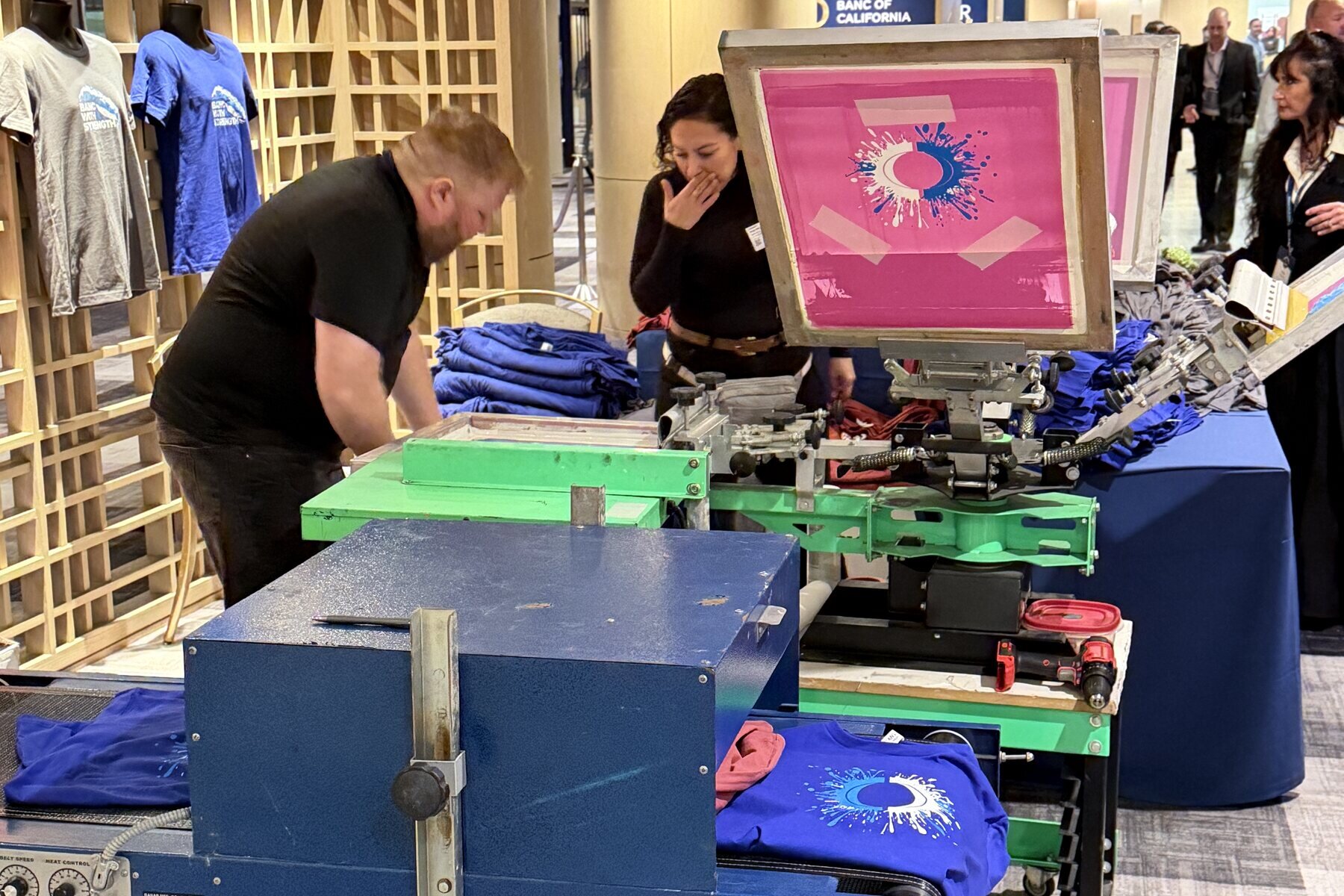
Phoenix is a road market about five and a half hours out the 10 from Fullerton, and the single most useful planning fact about it is the calendar. The Valley's outdoor event season runs roughly October through April. Between June and September an outdoor program either moves indoors, moves to a nine o'clock start, or does not happen. Nothing else on this site inverts like that, and it means the same brief booked in February and booked in July is effectively two different jobs with two different item lists.
Convention halls, resort lawns and Old Town
Downtown carries the convention and expo business under the usual exhibitor-kit rules. The resort corridor through Scottsdale, Paradise Valley and out toward Desert Ridge hosts incentive trips, dealer meetings and galas on lawns and terraces, where the property's own rules on staking, power and noise matter more than any convention hall's ever will. Old Town Scottsdale is where the private-party and bachelorette business lives, in venues with no dock and no storage. Campus events around Tempe are a fourth pattern again — student volumes, tight budgets, and a strong preference for something free and immediate.
Heat as an operating condition
Above about a hundred degrees, materials start voting. Adhesive-backed and vinyl goods do not enjoy a parked truck or an afternoon on a folding table; embroidery, structured caps and applied patches are indifferent to it. Guests behave differently too — an outdoor Valley crowd in summer wants shade, water and a fast transaction, not a queue, so summer programs favor pre-packed pieces and a very short personalization step over anything that keeps someone standing in the sun. Load-ins move to early morning for the same reason. Totes earn their place here precisely because they are the one item nobody has to try on.
Spring training and the sponsor calendar
February and March bring the Cactus League and a run of sponsor activations spread across ballparks all over the Valley. That is a distribution problem more than a production one: multiple clubs, multiple sites and daily activations argue for small runs tied to each date rather than one bulk order pushed across two months. Golf hospitality and resort conference season overlap the same window, so equipment and crews book out early. Full-color sponsor artwork runs on DTF; resort weddings follow the small-run logic set out on the wedding program page.
What a Valley program costs
A flat $900 travel allowance applies outside our Orange County, LA and San Diego home markets, along with a $4,500 event minimum instead of the $3,000 that applies at home. Staffing is $250 an hour for the first station and $125 an hour for each additional one, setup and teardown included. Item mix and quantity move the rest of the number, and a summer date usually moves it too — indoor space costs more than a lawn. Send the venue, the date and the headcount through the work order.