Most merch plans start by choosing a shirt and stop there. That's a mix problem disguised as a sourcing decision. A program is a set of items with different jobs — one that everyone takes, one that a subset earns, one that a few people remember — and the tee is only ever one line on that list. This is how to decide what belongs on the list, how many of each to plan, and which items people actually carry home.
The anchor item, and what it costs you to choose it
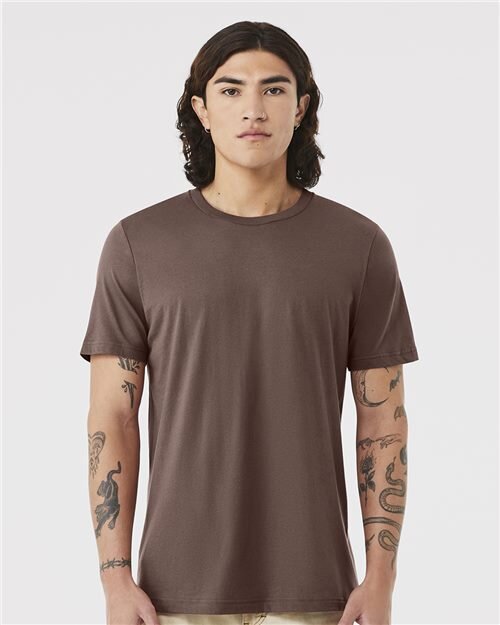
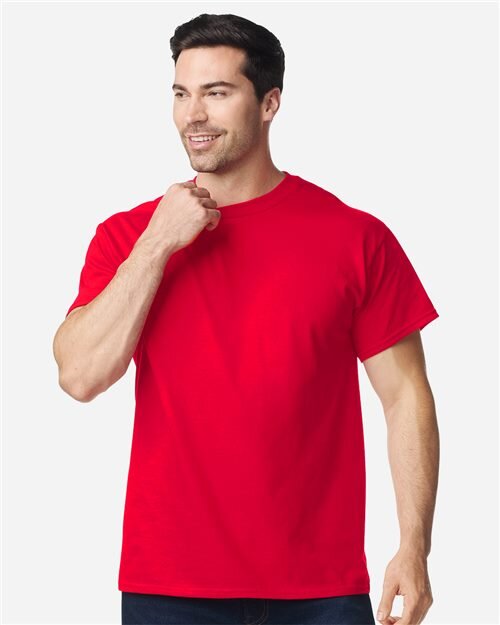
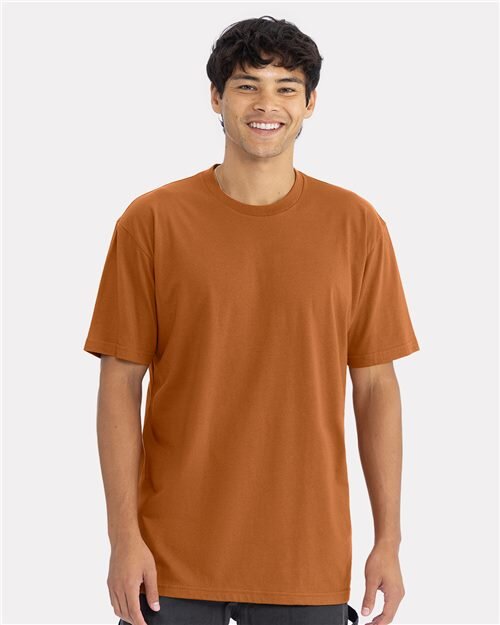
Whatever sits at the bottom of your tier list sets the shape of everything above it, because it takes the largest share of both the goods budget and the production time. A tee is the usual anchor and a defensible one: near-universal appeal, a wide size range, and decoration options at every price point. Bella+Canvas 3001 is the retail-feel choice for rooms that notice fabric, Gildan 5000 the sturdier one that frees up budget at high counts, Next Level 3600 the pick when the art direction demands an unusual color.
But interrogate the assumption once before you commit. If the crowd is a trade audience that already owns a drawer of conference tees, or an outdoor summer event where nobody wants another layer, the anchor slot may belong to something else entirely — a tote, a cap, a patch applied to something they're already carrying. The anchor's job is to be taken, not to be a shirt.
The upgrade slot: where fleece actually pays
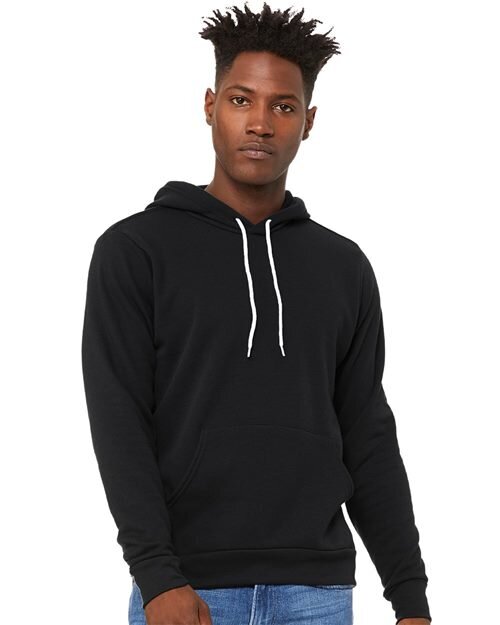
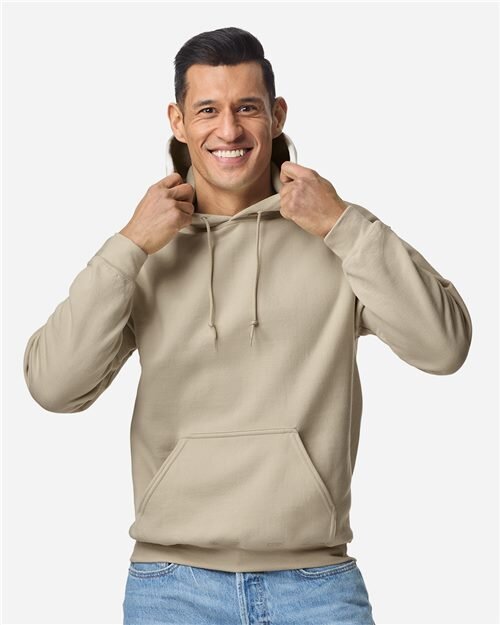
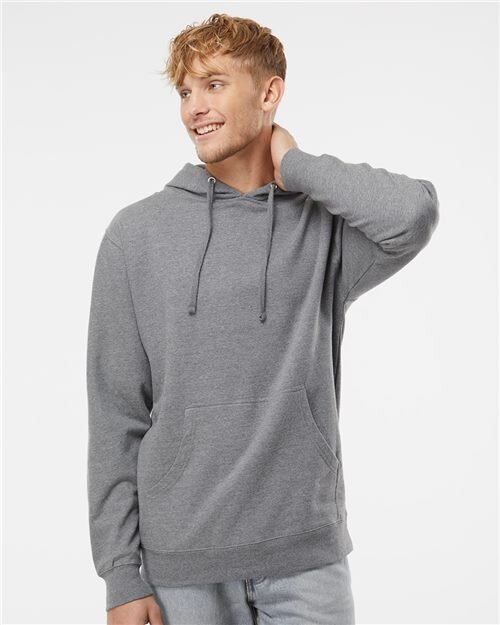
Fleece is the item people plan emotionally and budget badly. It is the most expensive thing on a typical list, so it works as an earned tier rather than a general handout: Bella+Canvas 3719 for a genuinely premium short run, Independent Trading SS4500 as a cleaner midweight, Gildan 18500 when the tier has to reach further at the same money. Attach it to a condition rather than to attendance — sponsors, speakers, staff, people who completed something. A hoodie given to everyone stops signaling anything and quietly consumes the budget that would have funded a second station.
When a cap, tote or patch earns the slot instead
Each non-shirt item earns its place for a specific reason, not for variety. A cap is the strongest choice when the mark is small and the crowd is outdoors — it needs no size decision at all, which removes the single biggest source of leftover stock. Embroidery suits it; large full-color art does not. A tote earns its slot at events where people are already carrying things: conferences, markets, welcome sessions. It's sizeless, it prints large and flat, and it's often the cheapest way to give a large room something branded. A patch is the item to reach for when guests should personalize rather than choose — applied to a bag, a cap, or something they arrived wearing — and it turns a generic blank into the specific object that person made. A drinkware or hard-goods line is worth it only where the item gets used at a desk afterwards; otherwise it's weight in a bag.
Match the decoration to the item, not the other way around. Embroidery for caps and structured fabrics, DTF and full-color transfer for detailed art on flat surfaces, screen for volume runs of simple marks, laser and UV for hard goods. An item that has to be forced through the wrong method almost always signals it doesn't belong on the list.
Sizing, split, and take-home rate
Two quantity questions decide whether the mix works. The first is size and fit: shirts need a curve weighted toward the middle sizes with genuine coverage at both ends, and if the room skews toward one fit — an audience that's mostly one gender, or a trade crowd that dresses uniformly — the curve has to move with it. Splitting a shirt line between two fits doubles the SKUs and roughly halves your margin for error on each, so it's a decision to make deliberately rather than by default. Sizeless items (caps, totes, patches, drinkware) carry none of that risk, which is a real argument in their favor for the first-time program.
The second is take-home rate, which varies far more by item than by design. Sizeless items get claimed by almost everyone offered one. Shirts are limited by whether a person's size is still on the table when they reach it. Premium items are claimed at close to their full run, because they're gated. Plan quantities per item against its own expected rate rather than against a single headcount multiplier applied to everything — that one habit is responsible for most of the boxes that go home unopened.
Want a mix specced against your actual room? Send headcount, audience and format through the work order and we'll come back with the item list, the tier counts, and the reasoning for each line.